

A plumbing company spends $3,000 on Google Ads in January. The ads generate 140 clicks. Out of those clicks, 22 people fill out the contact form. The owner follows up with maybe half of them. Eight become paying clients.
Decent month? On paper, sure. But look at the numbers again. 118 clicks went nowhere. 14 form submissions got a slow response or no response at all.
That’s not a traffic problem. That’s a funnel problem. And most service businesses have no idea how much money they’re quietly losing at each stage.
This happens across every service industry. Cleaners, consultants, tradies, accountants, physios. The ad spend goes up, the leads come in, and revenue still feels unpredictable because somewhere between the first click and the signed invoice, potential clients are falling through gaps nobody thought to check.
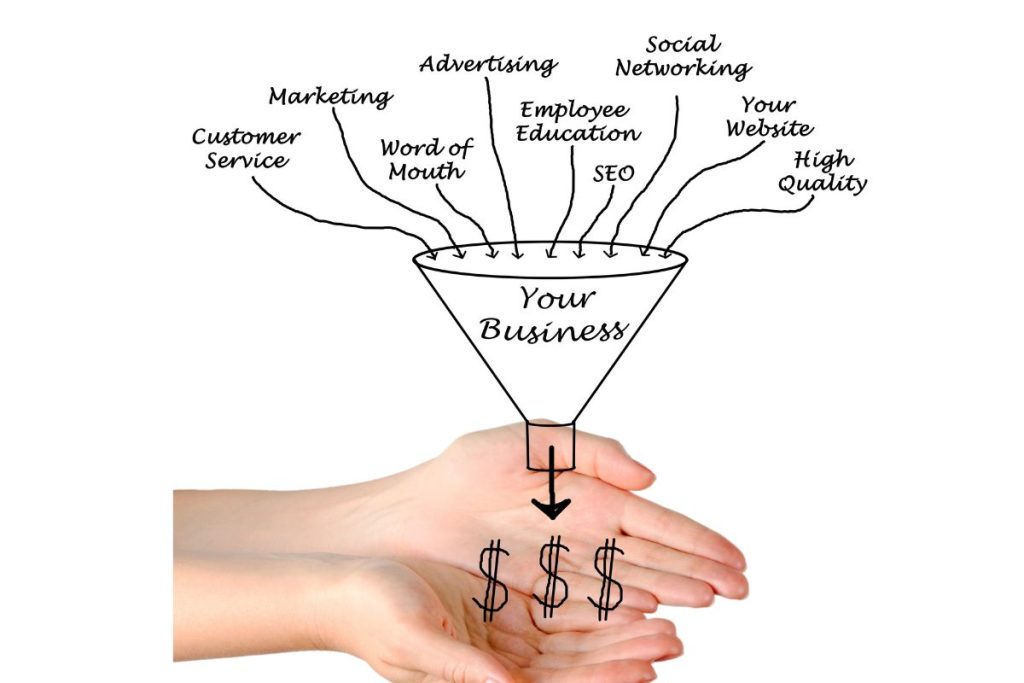
What a Service Funnel Actually Looks Like
Before diagnosing leaks, it helps to map out what the funnel contains. For most service businesses the path looks roughly the same.
Stage 1: Visibility. A potential client sees an ad, finds the website through Google, or gets a referral. They click through to the site.
Stage 2: Interest. They land on a page. Read about the service. Decide whether this business looks credible enough to contact.
Stage 3: Inquiry. They fill out a form, send an email, or pick up the phone. This is where a lead officially enters the pipeline.
Stage 4: Follow-up. The business responds. A conversation happens. Maybe a quote gets sent.
Stage 5: Conversion. The prospect says yes, pays a deposit, or books the service. Revenue hits the account.
Each stage has its own failure points. Most service businesses obsess over Stage 1 (getting more traffic) while ignoring the four stages where the actual money gets made or lost.
Where the Biggest Leaks Happen
Leak 1: The Landing Page Doesn’t Convert
Paid traffic is expensive. A click from a well-managed Google Ads campaign in a competitive service category can cost anywhere from $8 to $50.
Sending that traffic to a homepage with no clear call to action, a wall of text about the company’s history, and a generic “contact us” link buried in the footer is like filling a bucket with a hole in the bottom.
Service landing pages need three things above the fold. A clear description of the problem being solved.
Evidence that this business can actually solve it (reviews, credentials, photos of past work). And a specific, obvious next step. Call now. Book online. Get a free quote.
Anything else is decoration. Useful decoration, maybe. But secondary to those three elements.
Leak 2: Nobody Responds Fast Enough
Speed matters more than most business owners realize. A study from Lead Connect found that responding to a web inquiry within five minutes makes a business 21 times more likely to qualify that lead compared to waiting 30 minutes.
Five minutes. Not five hours. Not “when I finish this job and check my phone.”
Most service businesses don’t have someone sitting at a desk waiting for form submissions. That’s fine. But the gap between inquiry and response can be closed significantly with basic automation. An instant SMS confirmation.
An auto-reply email that sets expectations and provides a booking link. Even a simple “we got your message, someone will call within the hour” can prevent a prospect from moving on to a competitor.
Leak 3: Follow-Up Stops Too Early
A prospect fills out a form on Monday. The business calls Tuesday morning. No answer. They try again Wednesday. Voicemail. And then… nothing. The lead dies.
Meanwhile, the prospect was busy on Tuesday, forgot to call back on Wednesday, and hired someone else on Friday because that other company followed up a fourth time.
There’s nothing aggressive about reaching out three, four, or five times over two weeks. Prospects expect it in the service industry. They’re not annoyed. They’re often grateful because they genuinely intended to respond and just got caught up in life.
A simple follow-up rhythm works. Day one: initial response. Day three: second touchpoint. Day seven: third attempt with added value (a relevant tip, a case study, a limited-time offer).
Day fourteen: final check-in. Calendar reminders handle this for free. A basic CRM makes it even easier.

Leak 4: No System for Quoting and Closing
Sending a quote is not the same as closing a sale. Plenty of service businesses email a PDF quote, cross their fingers, and wait. When the prospect doesn’t respond, they assume the price was too high.
Often the real issue is that the quote arrived without context, without a clear expiry date, and without a next step. Nobody called to walk through it. Nobody followed up three days later to answer questions.
Quotes that convert tend to share a few traits. They explain the scope in plain language. They offer two or three pricing tiers so the prospect feels they have choices.
They include a deadline (“valid for 14 days”) that creates gentle urgency. And someone from the business follows up within 48 hours to ask if there are any questions.
Leak 5: Past Clients Disappear After the Job Ends
The least talked-about funnel leak in service businesses is the complete absence of post-service follow-up. The job finishes.
The invoice gets paid. The client vanishes from the business’s radar until they maybe, possibly, remember to call again in two years.
No review request. No check-in email after 30 days. No seasonal reminder. No referral ask.
Every past client is a warm lead for repeat business and a potential source of referrals that cost nothing to generate. Letting them drift away is throwing away revenue that was already earned once.
A quarterly email to past clients takes 20 minutes to set up. “Hey, just checking in. Hope everything’s still holding up from the work we did.
Let us know if anything comes up.” That small gesture keeps the business top of mind and often triggers referrals unprompted.
Fixing the Funnel Without Overcomplicating It
The temptation is to buy expensive CRM software, hire a marketing agency, and overhaul everything at once. For established businesses with budget, that might make sense. For most service operators, it’s overkill.
Start by auditing where leads currently drop off. Google Analytics shows what happens after someone clicks an ad. Call logs show response times. A simple spreadsheet tracking inquiries to conversions reveals the real close rate.
Once the biggest leak is identified, fix that one thing first. If the landing page isn’t converting, rewrite it before spending another dollar on ads. If follow-up is the weak point, build a basic response sequence before worrying about anything else.
Small fixes at each stage compound. Improving landing page conversion by 15%, response speed by 20%, and follow-up consistency by 30% doesn’t require major investment. But the combined effect on monthly revenue can be dramatic.
Final Thoughts
Most service businesses don’t have a lead generation problem. They have a lead conversion problem disguised as a lead generation problem.
The traffic is there. The inquiries come in. But the funnel between first click and signed client leaks in places nobody’s watching.
Mapping the funnel, identifying the gaps, and fixing them one by one is less exciting than launching a new ad campaign.
It doesn’t produce flashy dashboards or impressive impression counts. What it does produce is more revenue from the same amount of traffic, which is the most efficient growth lever any service business can pull.